Score Big: The Finest Mens Soccer Boots for Execution and Comfort on the Field
Deciding on the right soccer boots is a important decision for any player. The right pair can boost performance and comfort on the field. Factors such as fit, traction, and weight play a significant role in a player's speed. However, many overlook the details that contribute to an optimal choice. Understanding these elements can transform a player's game. What key aspects should one focus on when picking the perfect soccer boots? The answer may astound you.
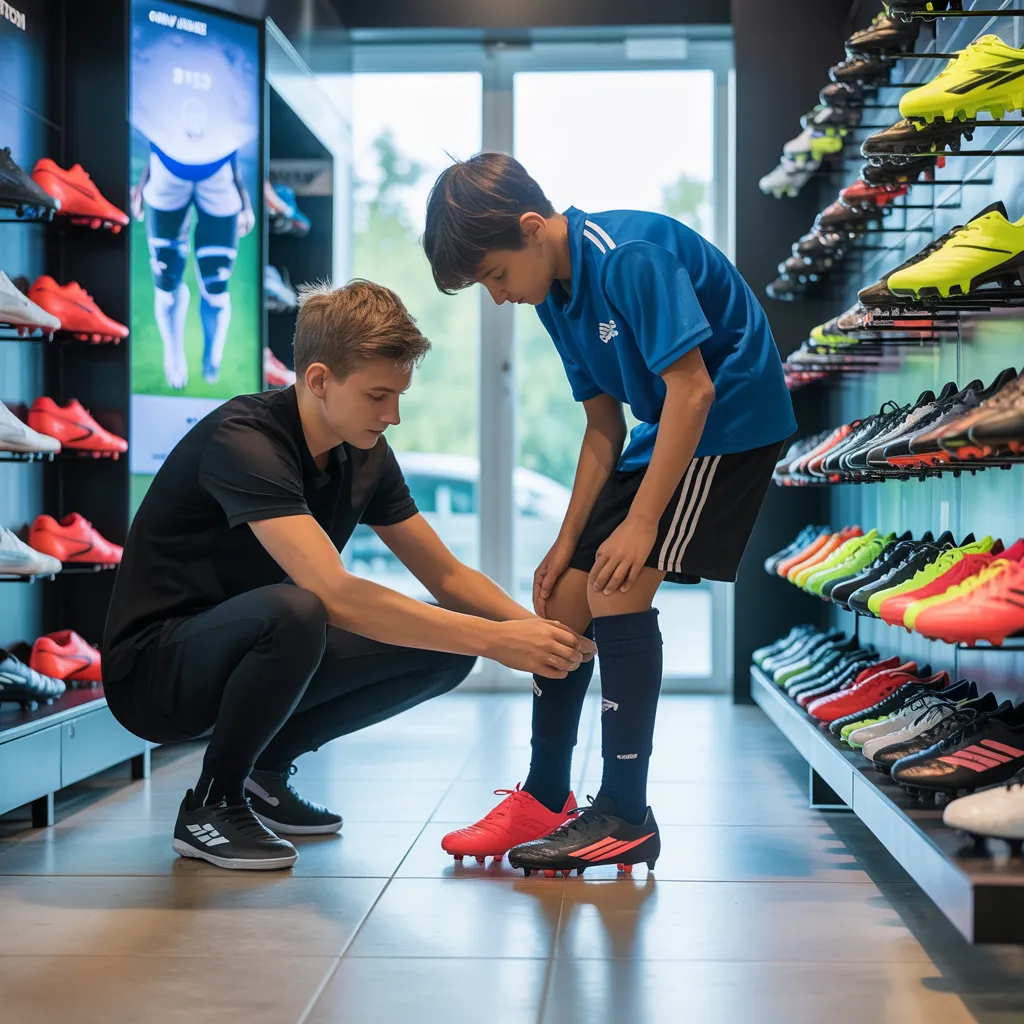
The Significance of Choosing the Correct Soccer Boots
Determining the appropriate soccer boots is fundamental for any player, as their ability can greatly affect the game. The proper footwear strengthens traction, agility, and overall comfort on the field. Players must consider various factors, including the playing surface—firm ground, soft ground, or artificial turf—as each requires different boot designs.
Moreover, the construction and fit of the boots play a key role in a player's play. A properly fitted boot decreases the chance of injury and enables better control of the ball. The boot selection can also reinforce a player's self-assurance, allowing them to make faster decisions during play.
Also, choosing boots that align with one's playing style can boost performance. For instance, strikers may prefer lighter boots for speed, while defenders might emphasize durability and support. Therefore, making the effort to choose the right soccer boots is vital for enhancing performance and enjoyment on the field.
Essential Features to Improve Your Soccer Game
When ordering soccer boots, players should emphasize features that greatly impact performance. An optimal fit and comfort level are crucial for agility, while traction and grip design improve stability on the field. Additionally, lightweight materials combined with durability assure that players can maintain their best performance throughout the game.
Ideal Fit And Comfort
A flawless fit and exceptional comfort are important for every soccer player wanting to improve their game. Soccer boots created with an adaptive fit offer support and lower the risk of blisters, enabling players to focus on their performance. Features such as padded collars and cushioned insoles boost comfort, allowing athletes to withstand long matches without discomfort. Furthermore, lightweight elements contribute to a natural feel, encouraging access resource agility and speed. Adjustability, including lacing systems that support various foot shapes, guarantees a secure fit. Ultimately, investing in boots that emphasize fit and comfort can substantially influence a player’s confidence and effectiveness on the field, allowing them to play at their peak.
Traction And Grip Design incorporates precision-engineered surface textures that optimize holding power on various ground conditions.
Traction and hold design are essential to a player’s performance on the soccer field. The right footwear provides stability, enabling athletes to make quick cuts, accelerate, and decelerate effectively. Stud placement and configuration are critical; strategically positioned studs boost grip on a variety of surfaces, whether firm ground, artificial turf, or soft ground. Additionally, the shape and length of the studs can notably influence traction. For example, conical studs enable omnidirectional movement, while bladed studs offer stronger grip during sprints. A expertly crafted outsole allows players to maintain balance and control, minimizing the risk of slipping. Ultimately, focusing on traction and grip design enhances a player’s agility and confidence, directly impacting their overall game performance.
Lightweight Materials And Durability
Lightweight substances and durability are critical factors that greatly affect a soccer player's performance. Contemporary soccer boots often feature advanced synthetic fabrics and modern designs, minimizing weight without compromising strength. This reduction in weight lets players attain greater speed and agility on the pitch, enhancing their overall game. Furthermore, durable materials assure that the boots survive the stresses of continuous play, reducing the requirement for frequent replacements. Quality stitching and reinforced sections add to the longevity of the footwear, making it a valuable investment for serious athletes. Ultimately, the combination of lightweight design and robust durability equips players with the confidence to perform at their best, regardless of the conditions or intensity of the game.
Top 5 Soccer Boots for Optimal Performance
In the field of soccer boots, performance is vital for any player seeking to excel on the field. Key qualities such as lightweight design, enhanced traction, and superior cushioning technology can greatly impact a player's game. This analysis will review the top five soccer boots that represent these critical performance features.
Light-weight Design Advantages
Soccer players aiming to improve their game often select boots that prioritize a lightweight design, allowing swift footwork and dynamic actions on the field. These boots boost players' speed by lowering the overall weight, allowing for faster speed bursts and sharper turns. A light structure also reduces fatigue, enabling athletes to maintain peak performance throughout the match. Additionally, the use of modern substances, such as synthetic fabrics and lightweight foams, guarantees durability without sacrificing comfort. This combination of performance and comfort is essential, as players can focus on their skills rather than being hindered by heavy footwear. Ultimately, lightweight soccer boots significantly enhance the overall effectiveness of a player's game, making them a popular choice for athletes at all levels.
Improved Adhesion Characteristics
While agility and speed are crucial, enhanced traction features in soccer boots play an equally important role in a player's ability on the field. These features greatly influence a player's ability to make sharp cuts, build speed rapidly, and maintain balance on various playing surfaces. Modern soccer boots incorporate advanced stud configurations, which maximize grip and stability, allowing players to confidently navigate the field. Some designs utilize a mix of cone-shaped and flat studs that adjust to varying environments, ensuring ideal traction whether on grass, turf, or wet fields. Additionally, certain models include specialized outsoles that improve traction during sudden stops and starts. This focus on traction not only elevates player abilities but also supports overall game strategy, making it a vital aspect of soccer boot design.
Superior Cushioning Technology
Raising play on the field, leading cushioning technology in soccer boots grants players fundamental comfort and support. The technology diminishes impact during play, cutting down the risk of fatigue and injury. Several leading brands use advanced materials like EVA foam and gel inserts to improve shock absorption and energy return. For instance, boots featuring dynamic cushioning systems allow for a more responsive feel, enabling players to maintain agility and speed. Moreover, proper cushioning can enhance stability and encourage natural foot movement, crucial for sharp turns and fast sprints. As players seek both performance and comfort, investing in soccer boots with superior cushioning technology becomes critical for ideal on-field success.
Getting Your Soccer Boots Sized for Optimal Output?
Achieving the perfect fit for soccer boots is essential for enhancing field performance. A properly fitted boot improves comfort, agility, and control, helping players to execute controlled movements. To find the correct size, players should determine both foot length and width, as measurements can vary among brands. Fitting boots at the end of the day, when feet are somewhat swollen, helps replicate game conditions.
In addition, players should put on the same type of hosiery they plan to use during matches. A tight fit is essential; however, it should not restrict blood flow. Players should also consider the boot's design—different types suit various field positions and types of playing surfaces. Finally, gradually breaking in new boots can reduce blisters and soreness. By emphasizing proper fit, athletes can boost their overall performance and enjoy a more satisfying experience on the field.
Simple Ways to Maintain Your Soccer Boots Fresh
Preserving football cleats clean is important for upholding performance and increasing their lifespan. Consistent cleaning is a core practice; players should clear dirt and mud after every match using a soft brush or cloth. For more thorough cleaning, warm water and mild soap can be used, confirming all remnants are thoroughly removed before air drying.
Adequate care also plays a significant role. Boots should be positioned in a cool, dry place, away from direct sunlight, which can degrade materials. Using form fillers can help sustain their contour and prevent creasing.
Moreover, applying a hydrophobic spray can prevent moisture and extend the boots' resilience. Athletes are advised to alternate between pairs, allowing each pair to rest and dry entirely. Routine assessments for deterioration can prove beneficial in identify possible complications before they escalate, ensuring the boots stay in prime state for maximum performance on the playing area.
Frequent Issues With Soccer Boots and How to Fix Them
Many players encounter common issues with their soccer boots that might affect performance and ease. One frequent problem is blisters, often brought on by bad fit or inadequate cushioning. To resolve this, players should make sure to choose the correct size and consider wearing moisture-wicking socks. Another common concern is insufficient traction, which can lead to slipping on the field. Players can correct this by regularly inspecting and replacing worn-out studs or cleats.
Additionally, some may experience stiffness in new boots, which can affect agility. A straightforward fix is to break them in gradually by wearing them during light training sessions. Finally, improper moisture management can cause odors and discomfort. Players should thoroughly clean their boots and allow them to air out after each use. By addressing these issues, players can optimize their soccer boots for enhanced performance and comfort during matches.
Regularly Posed Questions
What Often Should I Get New Soccer Boots?
Soccer cleats should typically be changed every 6 to 12 months, depending on usage and wear. Evidence of deterioration, such as reduced grip or comfort, suggest the need for a quick substitution to preserve your playing ability.
Is It Possible to Use Soccer Boots for Other Sports?
Soccer boots can be used for other sports, particularly those played on grass or turf, like rugby or field hockey. However, their design may not provide optimal support for sports requiring different footwear specifications.
How can you optimally soften up your new boots?
The best way to break in new boots entails incrementally wearing them, starting with short sessions. Flexing the materials through soft motions and applying leather cream can boost comfort and fit over time.
Do Various Playing Surfaces Call for Different Boots?
Yes, distinct playing surfaces require different boots. Firm ground, soft ground, and synthetic playing surface each possess specialized designs to refine purchase and capability, confirming players can adapt adeptly to varying conditions and enhance their game.
Is Spending Extra for Soccer Boots a Worthwhile Decision?
High-end football cleats frequently provide improved results, premium materials, and increased longevity, making them a sound purchase for dedicated players. However, personal tastes and playing techniques should likewise impact the decision on whether to invest.